Diving gets the attention here. Snorkelling gets far less and costs almost nothing, and for most visitors it is the better introduction to what is under the water.
An hour with a mask off a rocky shore will show you more than you expect.
| You need | mask, snorkel, fins optional |
|---|---|
| Best ground | rocky edges of sandy bays |
| Best conditions | early morning, calm and clear |
| Best company | at least one other person |
Where to look
The instinct is to swim out from the middle of a sandy beach. That is the emptiest water there is — sand supports very little.
What holds life:
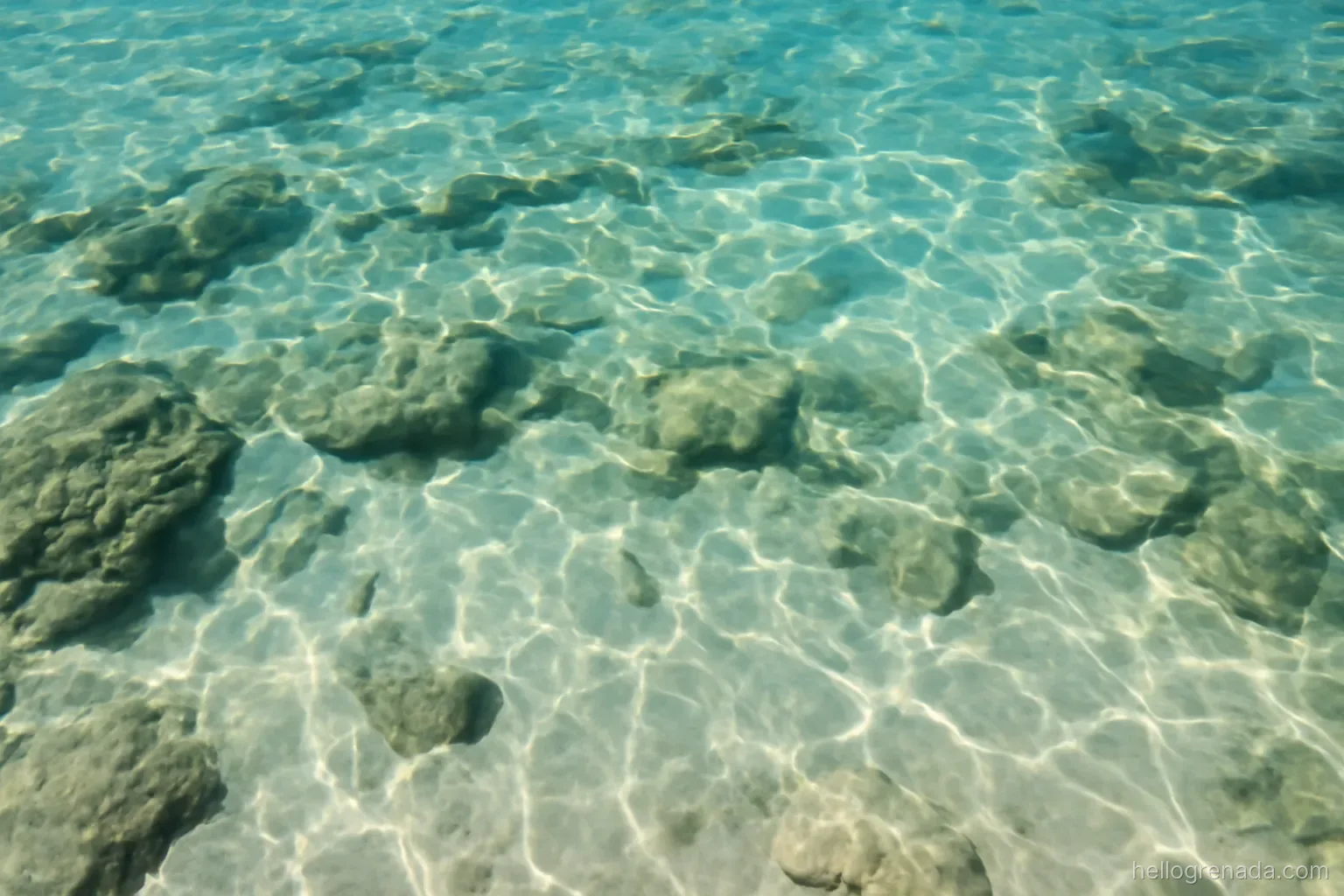
- The rocky edges where a bay meets a headland
- Boulder fields in shallow water
- The boundary between sand and rock or reef
- Anywhere with structure — ledges, overhangs, gullies
Stay shallow. Most of what is worth seeing sits in two to five metres of water, where the light is good and the colour is strongest. Going deeper generally means seeing less.
Getting the basics right
Snorkelling is easy, and three small things make the difference between a lovely hour and a frustrating one:
Mask fit. Hold it to your face without the strap and breathe in through your nose — if it stays put, it fits. A leaking mask ruins the whole experience and is the usual reason people decide they do not like snorkelling.
Defogging. A little spit rubbed inside the lens and rinsed is the traditional method and works perfectly.
Breathing. Slow and calm. New snorkellers breathe fast, get tired and get cold. Float, relax, and let the water do the work.
If you plan to snorkel more than once, bringing your own mask is worth it — rental masks are the ones that leak.
What you will see
Without promising anything, this is what tends to be around:
- Reef fish in numbers — parrotfish, sergeant majors, wrasse, damselfish
- Sea urchins, which are best admired and not touched
- Rays over sandy patches, if you are lucky and quiet
- Turtles, occasionally, which is the one everyone hopes for
- Coral in varying condition, some of it recovering
- Sea fans and sponges on the rocky edges
Being quiet and slow is the whole technique. Fish leave when you thrash and come back when you float still, so the people who see the most are the ones doing the least.
Staying safe and doing no harm
- Go with someone. Even strong swimmers should not snorkel alone
- Wear a rash top or shirt — your back burns badly while you are face down and cool
- Watch for boats, and use a float marker where there is any traffic
- Do not touch anything — for your safety and for the reef's
- Never stand on coral. It is alive, it grows slowly, and a moment's footing does years of damage
- Reef-safe sunscreen, or better, cover up instead
The second point catches nearly everyone once. The classic first-week sunburn here is a snorkeller's back — cool water, no sensation of heat, and an hour face down under a strong sun.
Going further
If snorkelling gets its hooks into you, the natural next steps:
- A boat snorkel trip, reaching sites you cannot swim to
- A try-dive session in a pool or shallow bay, which is a short commitment
- A full certification course, which takes several days and is well provided for here
All of it is easier to arrange here than in most places, and operators are used to complete beginners. The sensible order is snorkel first, then try-dive, then decide — rather than committing to a course before you know whether you enjoy having your face in the water.
Frequently asked questions
Where should you snorkel?
Along the rocky edges of bays rather than out from the sand — sand supports very little, and most of the interest sits in two to five metres.
Why do people decide they dislike snorkelling?
Usually a leaking rental mask. Check the fit by holding it to your face and breathing in through your nose.
How do you see more fish?
By doing less. Fish leave when you thrash and return when you float still.
What is the classic first-week sunburn?
A snorkeller's back — cool water, no sense of heat, and an hour face down under a strong sun. Wear a shirt.