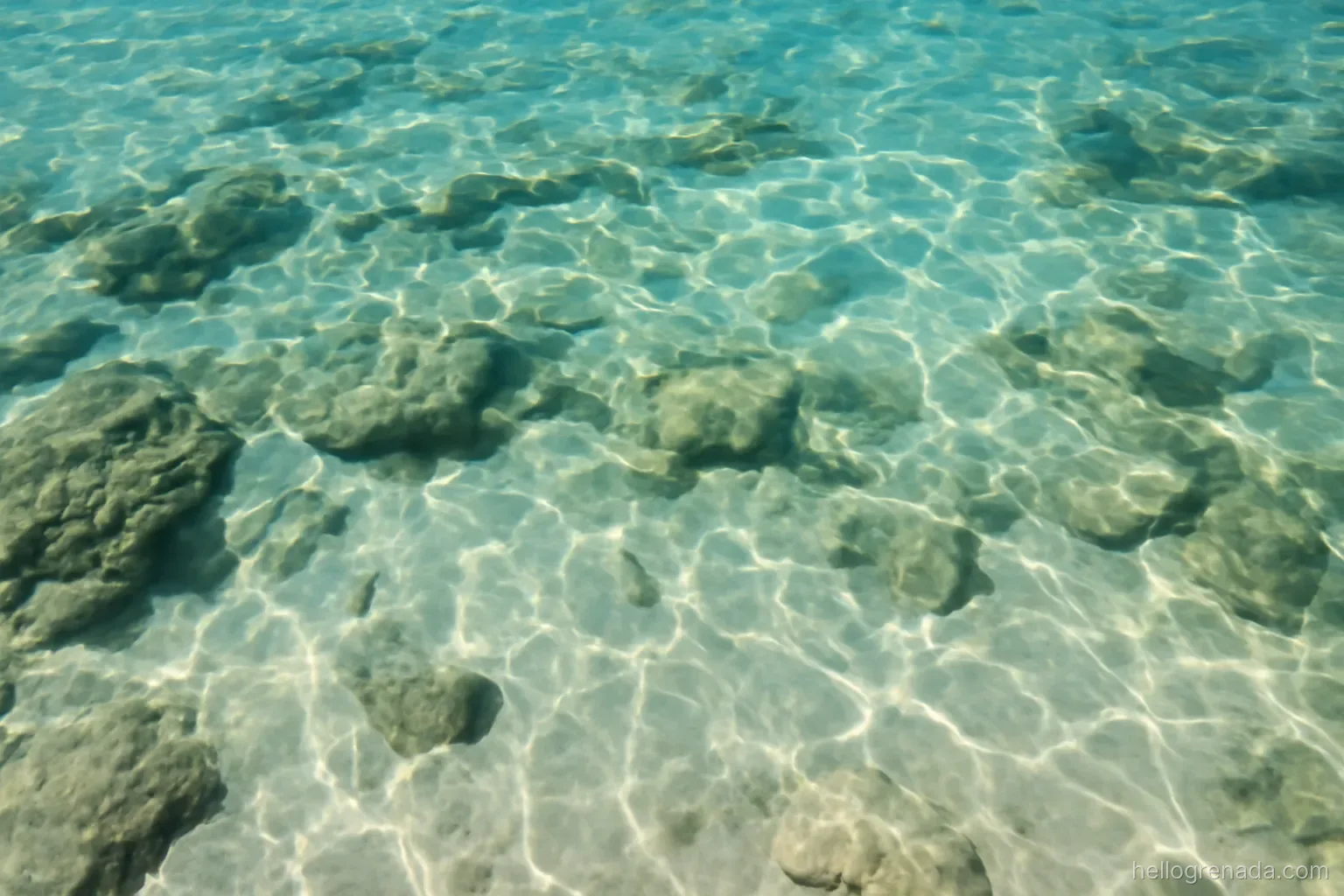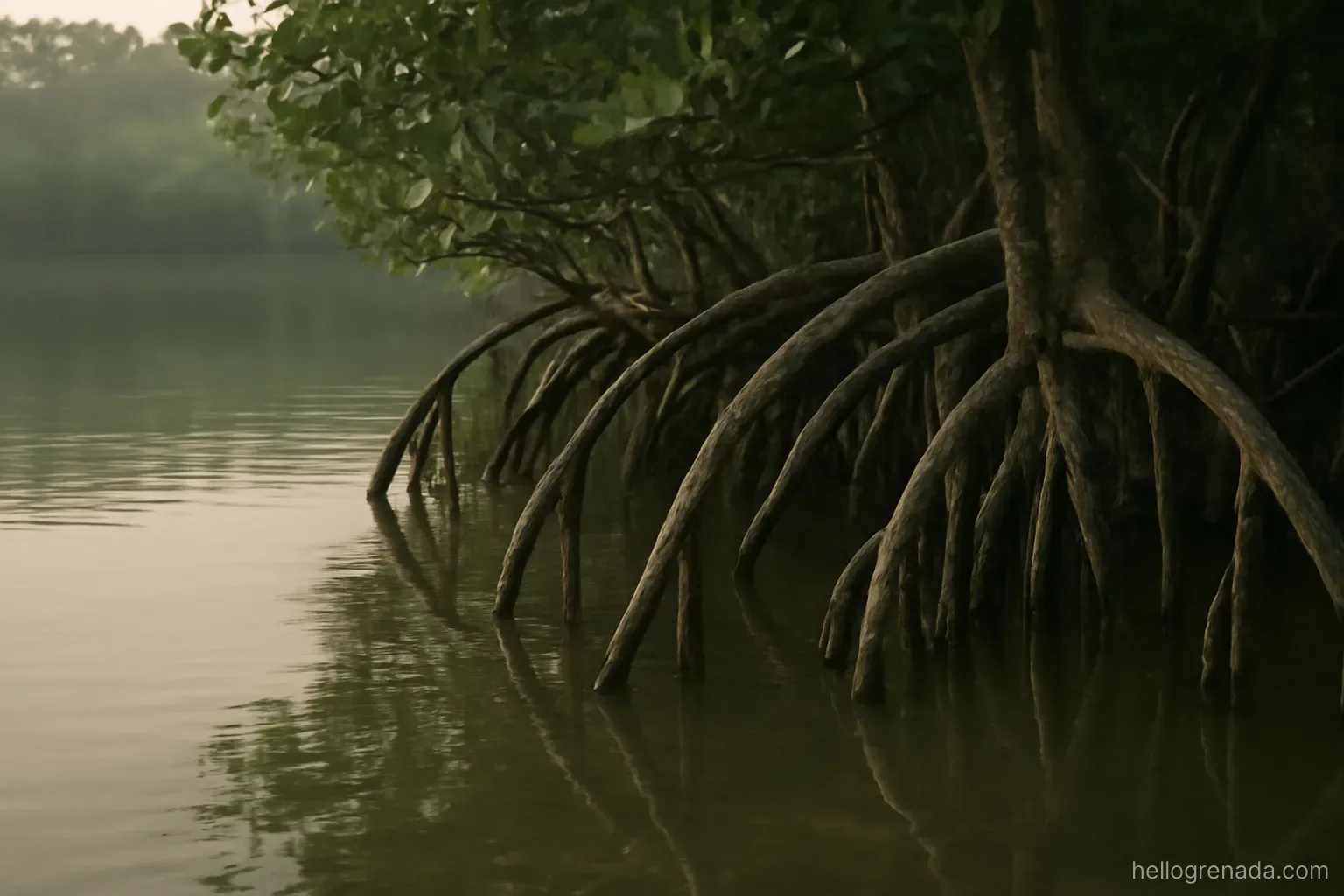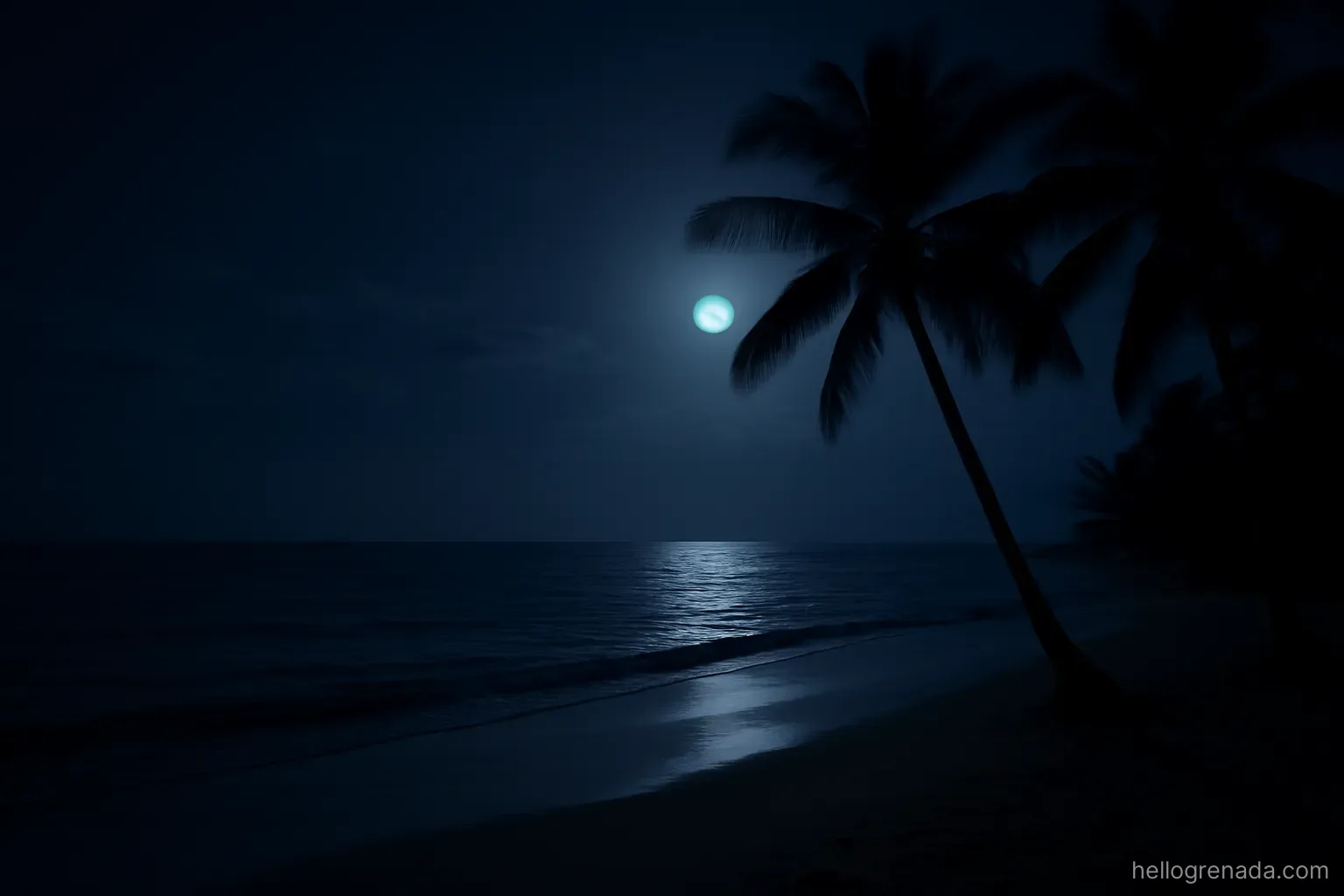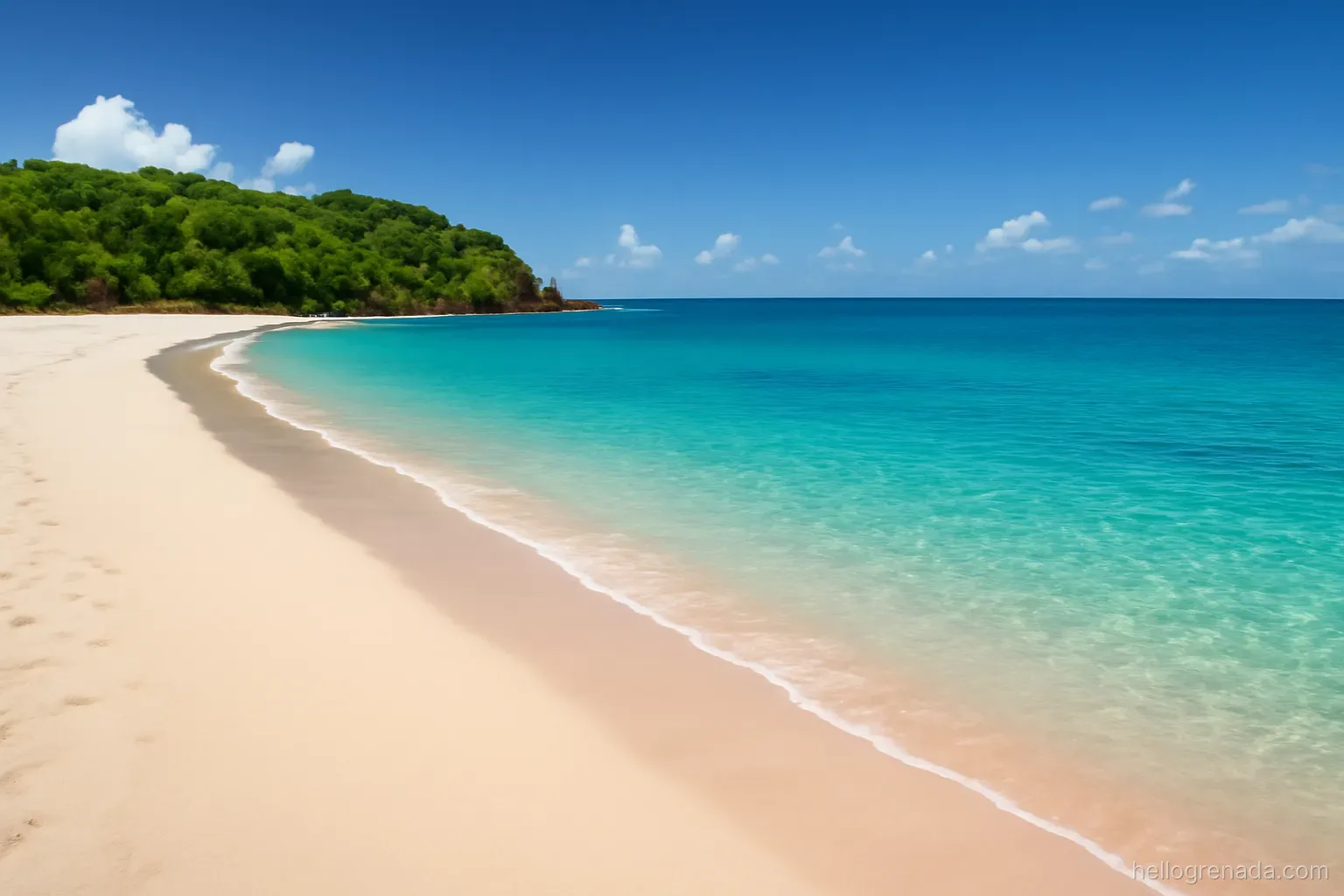
Visitors often pick a beach from a photograph and then wonder why it looked different when they got there. On a small island the difference is usually the coast it sits on, and once you understand that, choosing gets easy.
| West and south-west | calmer, sheltered, good swimming |
|---|---|
| East and north-east | windward, more swell, dramatic |
| Best light | early morning and late afternoon |
| Changes everything | the trade wind direction |
The two coasts
The prevailing wind in this part of the Caribbean comes from the east. That single fact explains almost everything about which beach feels how.
The sheltered side — west and south-west — sits in the island's wind shadow. Water is calmer, often glassy in the morning, and it is where most swimming beaches are. This is where you go to float, to snorkel, and to take children.
The windward side — east and north-east — takes the wind and the swell directly. Bigger water, more movement, more drama. Wonderful to look at and to walk along, and to be treated with more respect in the water.
Neither is better. They are for different things, and knowing which you want that day is the whole skill.
Time of day matters as much as location
- Early morning — the calmest water of the day, the clearest, and often empty
- Midday — hottest, brightest, hardest on skin and eyes
- Late afternoon — the loveliest light and a gentler sun
- Just before dark — brief and beautiful, and over faster than you expect
If you take one thing from this: get to a beach by seven in the morning at least once. The water is at its clearest, the sand is cool, and you will have it more or less to yourself. It is a completely different experience from the same beach at noon.
Reading conditions before you swim
Most beaches here are safe and straightforward. A few sensible habits, particularly on the windward side:
- Watch the water for a few minutes before going in — you will see how it is behaving
- Look for channels where water runs back out; the sea looks calmer there and it is not
- Ask locally if you are unsure. People will tell you honestly which end of a beach to swim at
- Do not swim alone at a deserted beach with any swell running
- Take the sun seriously — the breeze hides how strong it is, and water reflects it
The second is the one worth internalising anywhere in the tropics. A stretch of water that looks flatter and easier than the water either side of it is often a current heading out, not a calm patch.
Beyond the sand
Some of the best coastal time here is not on a beach at all:
- Rocky headlands between bays, where the snorkelling is usually better than off the sand
- Small bays reachable on foot from a bigger beach, often completely empty
- Fishing beaches, which are working places rather than swimming ones and far more interesting
- The coast path sections linking bays, walkable in an hour or two
The third deserves a mention. Arriving at a fishing beach in the early morning as boats come in is one of the genuinely memorable things to do here — it costs nothing, requires no booking, and it is real life rather than a set piece.
Watch, greet people, buy something if fish is being sold, and do not photograph anyone without asking.
Leaving it as you found it
Small islands feel the effects of visitors quickly, so a few things that matter more here than at home:
- Reef-safe sunscreen, especially where you will snorkel
- Take everything away, including what was already there if you can
- Do not stand on coral — it is alive and it grows slowly
- Leave shells and coral where they are, and see the material on customs before buying any as souvenirs
- Keep your distance from turtles and nesting areas
Frequently asked questions
Why do beaches on the same island feel so different?
The prevailing wind comes from the east, so western beaches sit in the wind shadow and are calm while eastern ones take the swell directly.
When is the water clearest?
Early morning. Getting to a beach by seven at least once is a completely different experience from the same beach at noon.
What should you look for before swimming?
Watch the water a few minutes, and be wary of a stretch that looks flatter than the water either side — that is often a current heading out.
What is worth doing that costs nothing?
Visiting a working fishing beach early in the morning as the boats come in — real life rather than a set piece.