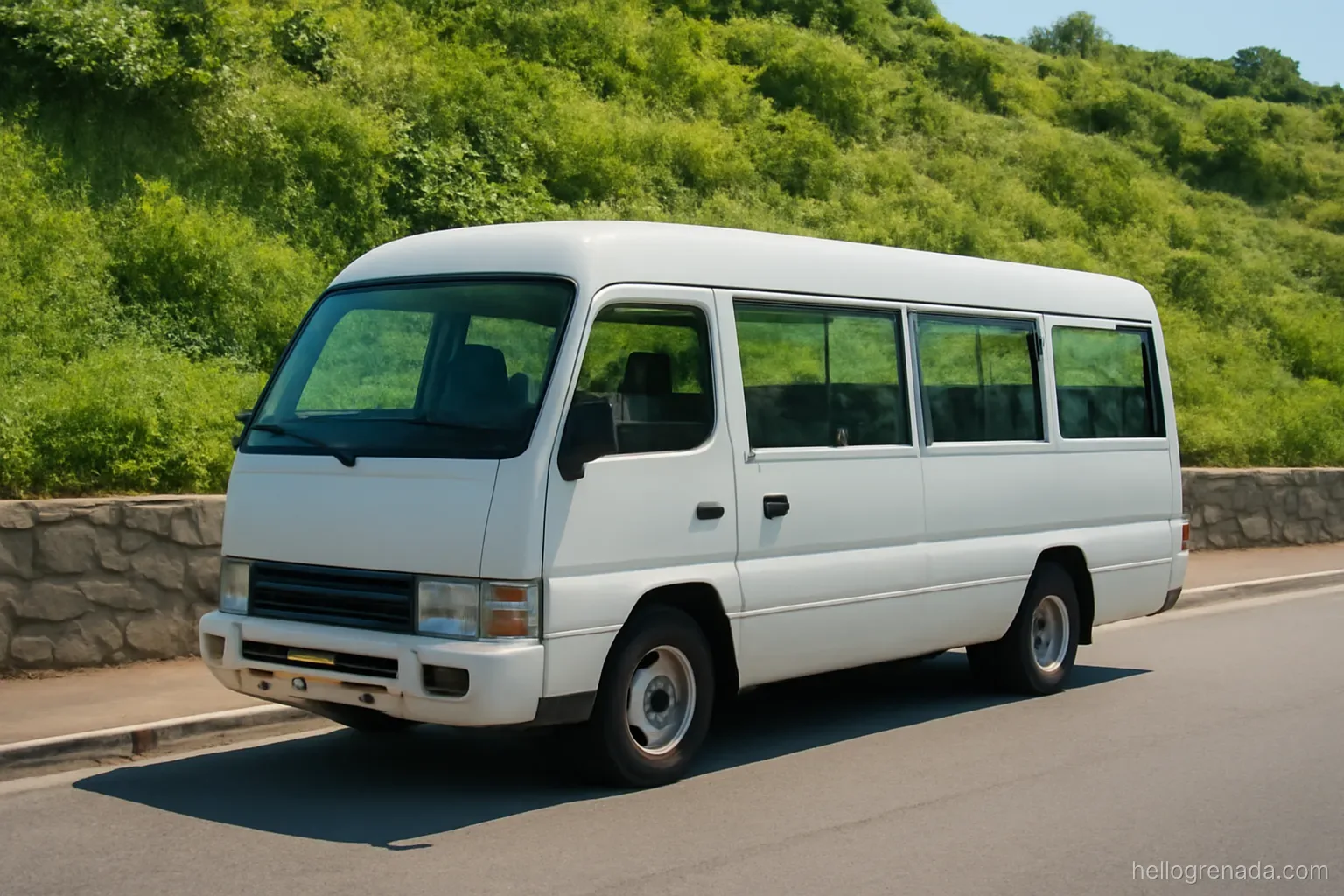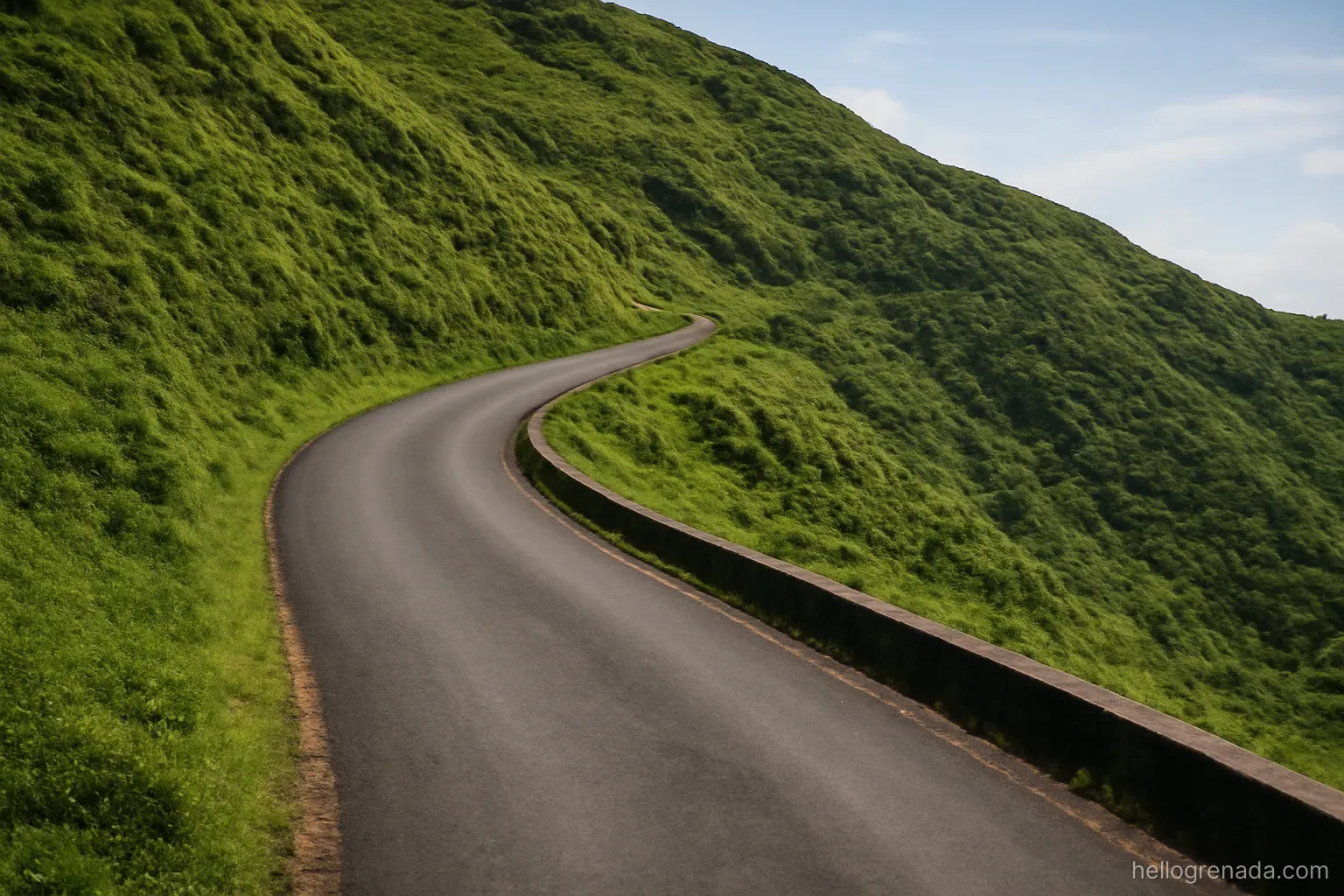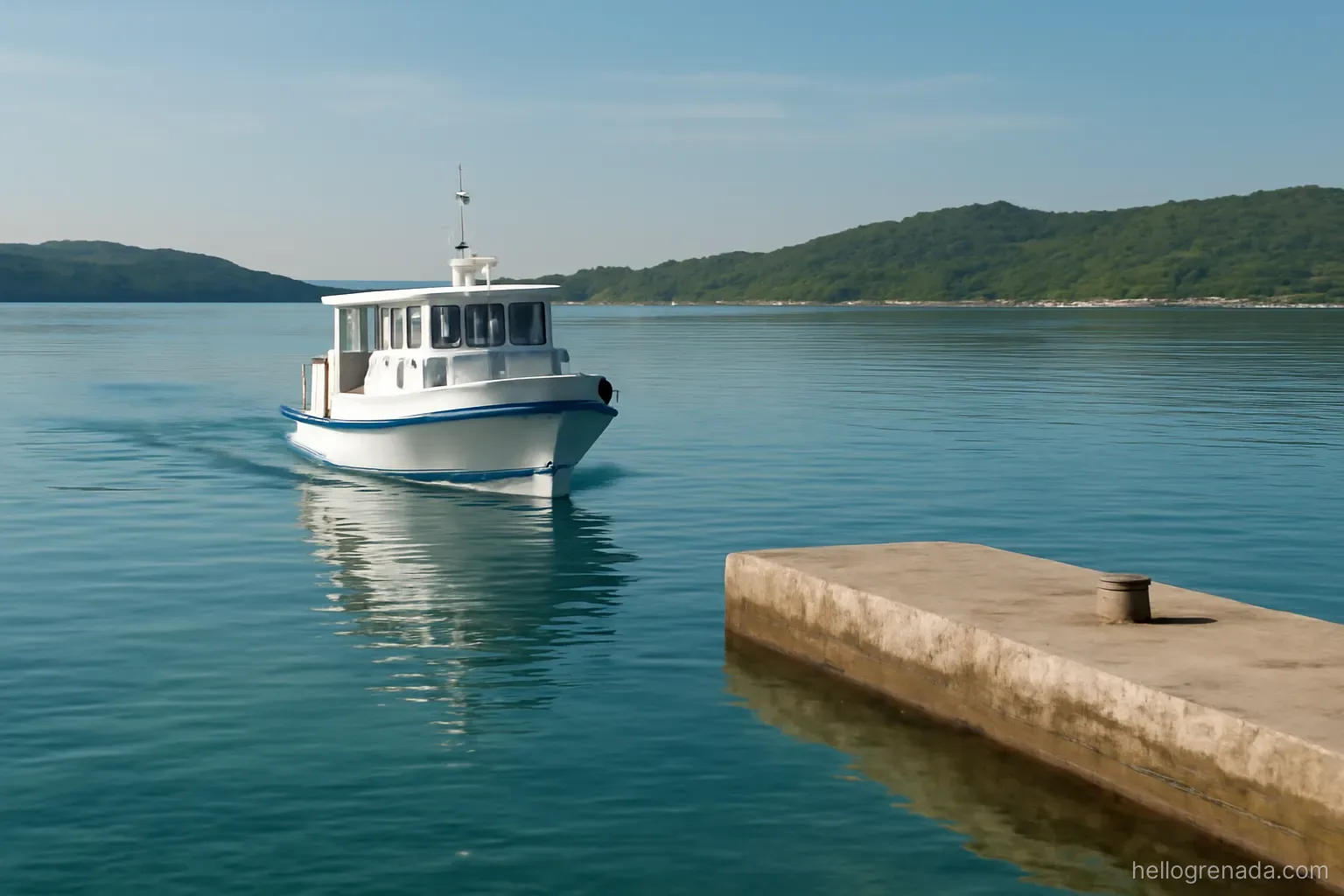
The road is not always the best way between two points on a small island. Two bays separated by a headland can be twenty minutes by road and five minutes by boat, or a lovely half-hour walk over the top.
| Water taxi | quick, scenic, often cheap |
|---|---|
| Walking | excellent within an area |
| Not ideal | walking between distant areas |
| Always | agree the price first |
Water taxis
Small open boats making short coastal hops, and one of the more enjoyable ways to travel here.
- Agree the price before boarding, as with any taxi
- Find them at jetties and at the main beaches
- Ask about a return, and arrange a pick-up time
- Expect to get a bit wet in any chop
- Keep valuables in a dry bag
- Ask about the return in advance if you are going somewhere quiet — there may not be another boat
The last point is the one to take seriously. Getting to a quiet bay is easy; getting back from one at five in the afternoon may not be, so fix the return before you go rather than assuming.
They are also simply a nice way to see the coast — you get the island from the water, which is how it was mainly seen for most of its history.
Walking
Within an area, walking is often the best option and the most rewarding.
- Excellent along a coast, between adjacent bays
- Good in towns, which are small
- Hard between areas, because of the hills, not the distance
- Best early morning or late afternoon, never at midday
- Take water, always, even for short distances
The hills are the thing to factor in. Two kilometres on a map can be a steep climb and a steeper descent, which in this heat is a real walk rather than a stroll.
On roads without pavements: walk facing the traffic, keep well in, and be visible. Drivers are used to pedestrians and generally careful, but blind bends are blind for everyone.
Hitching and shared rides
Informal lifts are a normal part of life here, particularly in rural areas where buses are infrequent.
Sensible practice:
- It is common and generally safe, and locals do it routinely
- Offer money for fuel, which may or may not be accepted
- Use ordinary judgement, as anywhere
- Better in daylight
- Say thank you properly — you have been done a favour
Worth knowing rather than relying on. If you are walking a rural road and someone stops to offer a lift, that is a normal kindness here rather than anything unusual.
Choosing the right one
- Within an area — walk
- Along a coast to the next bay — water taxi, or walk if there is a path
- Into or out of town — bus
- Somewhere remote — taxi or hire car
- The far end of the island — hire car or a driver for the day
- After dark — taxi
The last is worth following as a rule. Buses thin out, walking on unlit roads is genuinely unwise, and a taxi at night costs little against the alternative.
A note on time
Everything takes longer than the distance suggests. Roads wind, buses stop, boats wait, people talk.
Add half again to any journey estimate and you will be about right — and the half you added is usually the interesting part, because it is where the conversations happen.
Frequently asked questions
When is a water taxi the right choice?
Between coastal points separated by a headland — often five minutes by boat against twenty by road, and far nicer.
What should be arranged before going somewhere quiet by boat?
The return. Getting there is easy; getting back from a quiet bay late in the day may not be.
Is walking between areas practical?
Usually not — the hills rather than the distance are the problem. Two kilometres on a map can be a steep climb and descent in real heat.
How should journey times be estimated?
Add half again to whatever the distance suggests — and the extra half is usually where the conversations happen.