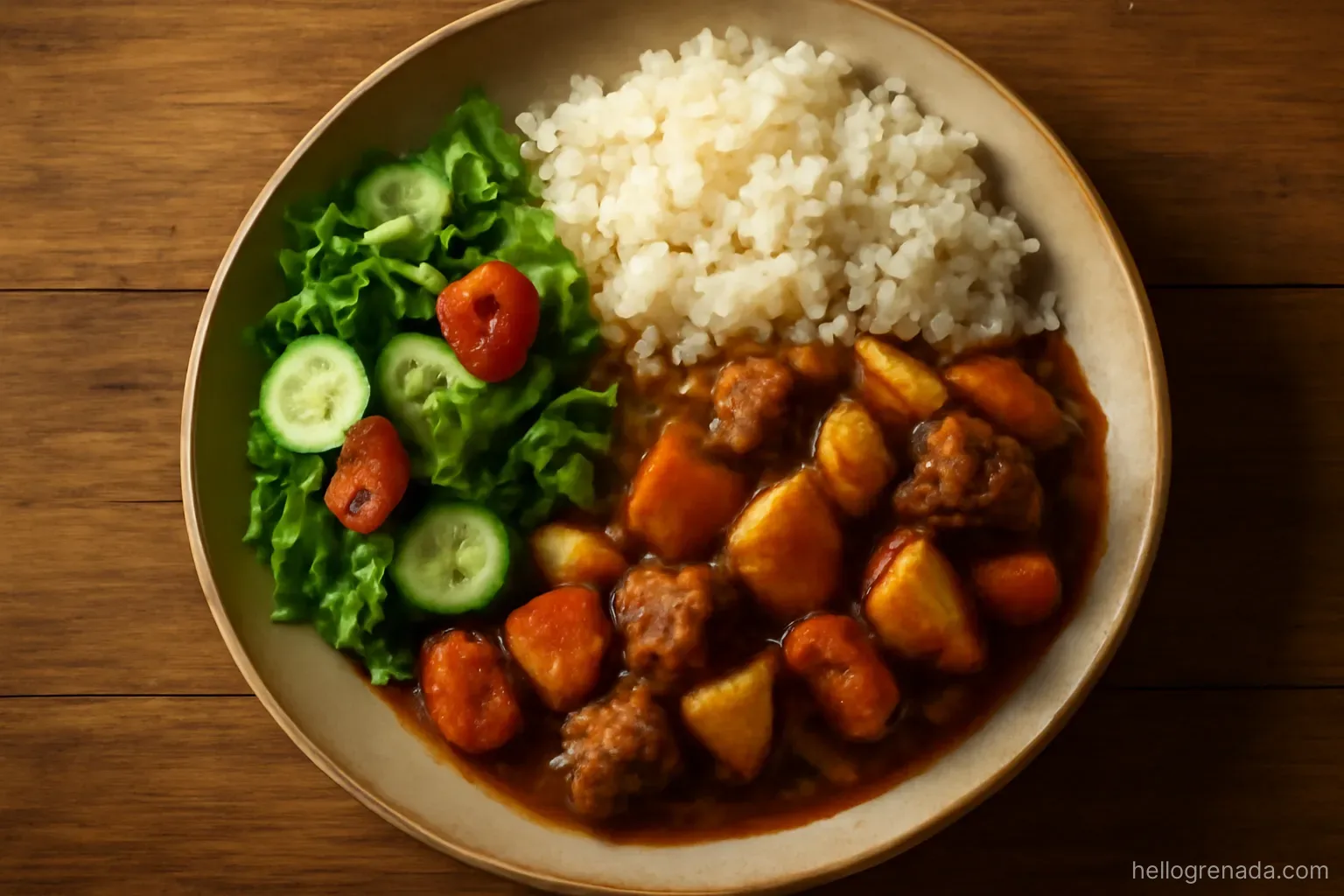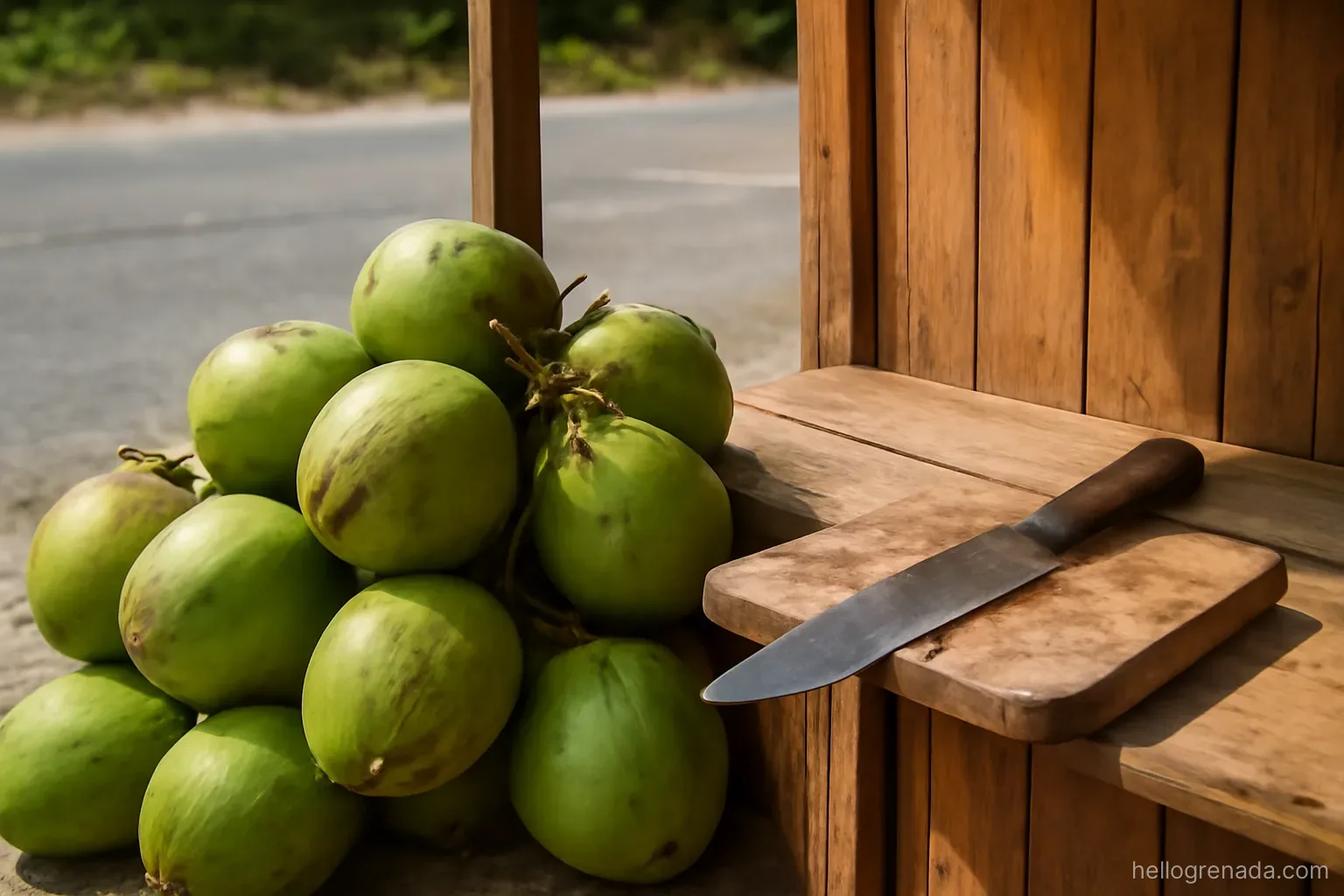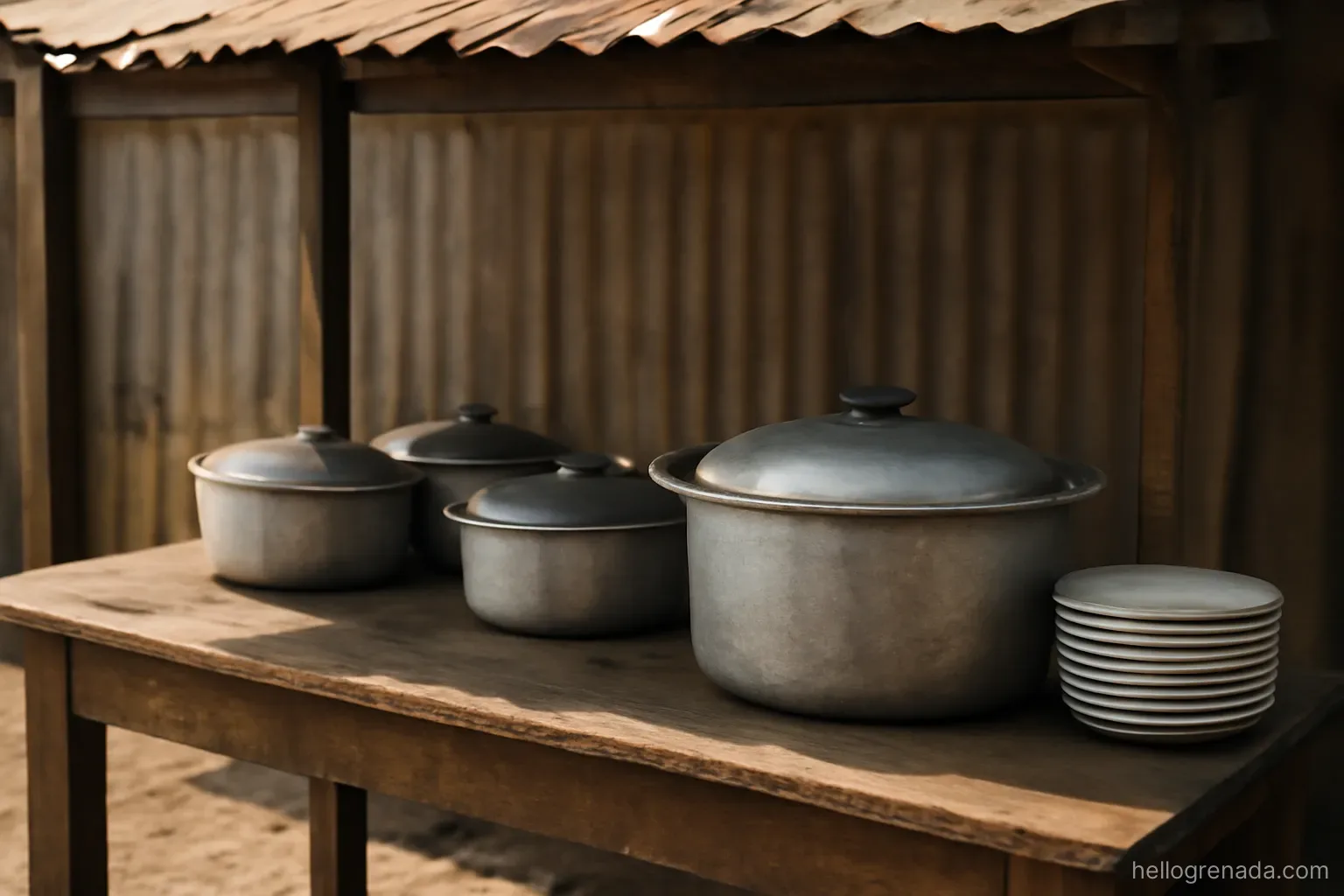
Visitors tend to eat where visitors eat: hotel restaurants and the places with a menu board on the road. The food is fine. It is also not where the island actually eats, and the gap in quality and price is considerable.
| Best value | small local places at lunchtime |
|---|---|
| Best day | whenever there is a fish fry or a market |
| Usually cash | everywhere small |
| Best way to find it | ask, then go where you are sent |
Lunch is the main meal
This is the single most useful thing to understand about eating here. The substantial home-style cooking happens at lunchtime, not in the evening.
What that means in practice:
- Small local places open around midday and sell out
- Arriving at one o'clock beats arriving at two, when the good things have gone
- The evening scene is smaller and more restaurant-shaped
- A big lunch and a light supper is the local rhythm and a good one to adopt
Turning up at a small place at half past twelve and asking what there is today will get you a better plate of food than almost anything you will book in advance.
How to find the good places
They rarely advertise. Some of them barely have a sign.
- Ask people. Whoever checks you in, a taxi driver, someone at the market. This works better here than any review site
- Look for parked cars and full tables at lunchtime, which tells you everything
- Follow the smell of charcoal in the evening — barbecue happens on street corners
- Go to a fish fry if one is on. These are weekly community events in some places, with food cooked outdoors and an atmosphere to match
- Do not skip a place because it looks basic. Plastic chairs and a hand-written board is frequently the best sign there is
The last point is where most visitors hesitate and lose out. The relationship between how a place looks and how the food tastes is close to zero here, and often inverted.
How ordering works
Different from a restaurant with a printed menu, and much simpler once you know:
- There is often no menu — you ask what there is today, and there are two or three things
- Portions are generous. One plate is usually enough
- Takeaway is normal, often in a foam or foil container
- Cash, in small notes
- Greet people first. Walking in and immediately ordering reads as rude — say good afternoon, then order
That last point matters more than any menu knowledge. Greeting comes before business in every interaction here, and it changes how the rest of the exchange goes. It is covered further in the material on local etiquette.
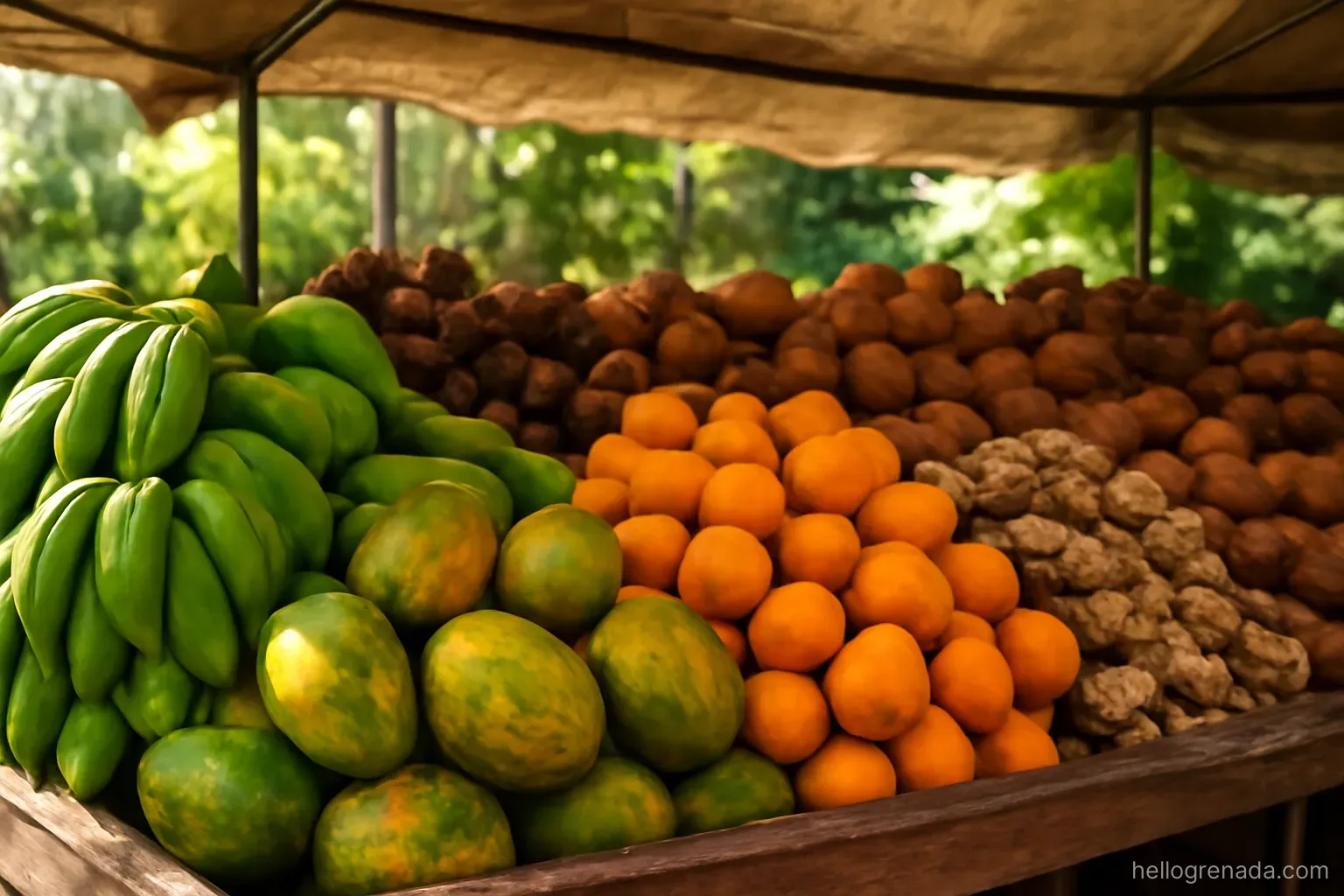
The market
Worth a morning even if you are not cooking:
- Go early, ideally on the busiest market day of the week
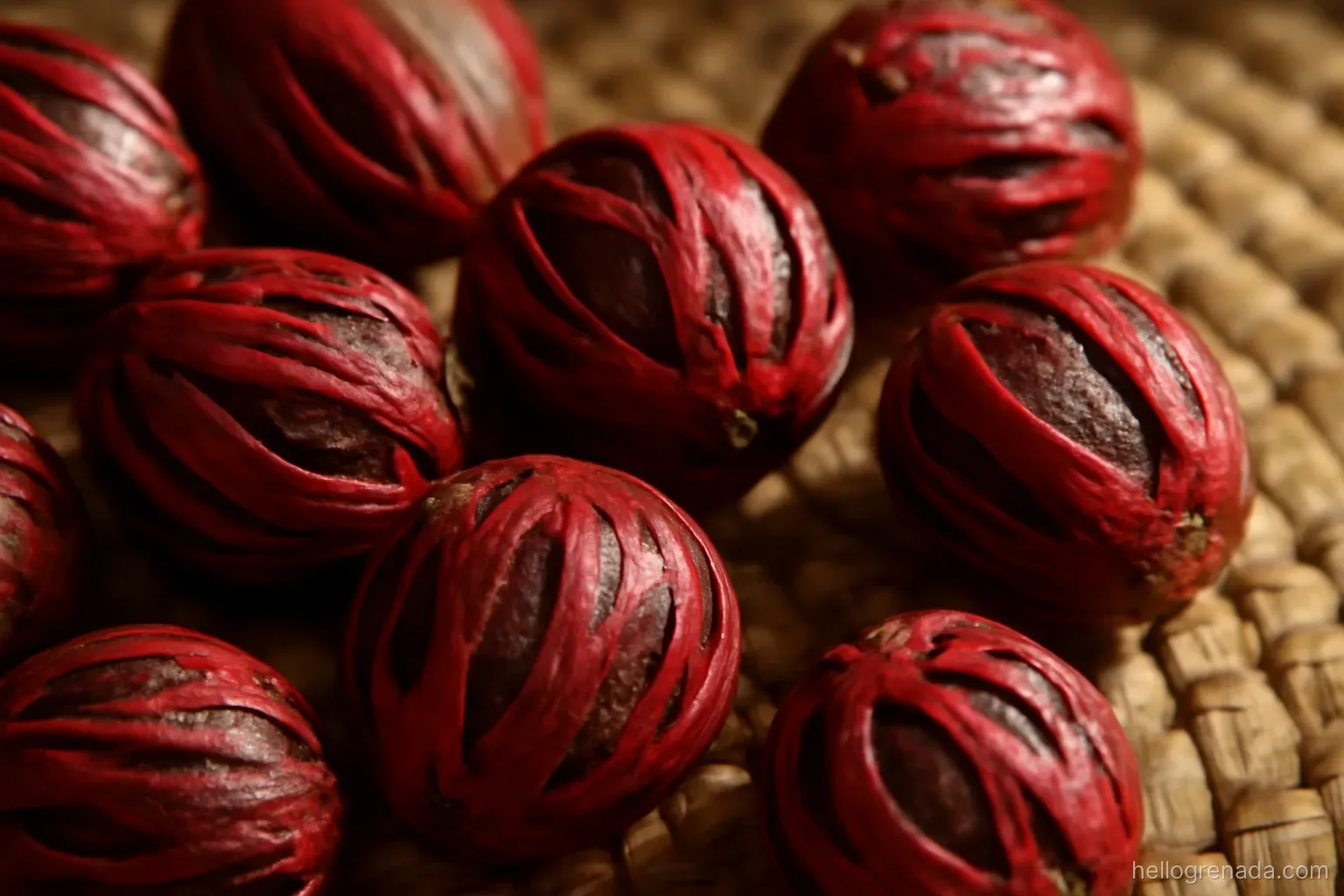
- Spices are the obvious buy, and are genuinely better and cheaper here than anywhere you will find them at home
- Ask what things are. Sellers are happy to explain, and you will meet fruit you have never seen
- Ask before photographing people or their stalls
- Small notes again — nobody wants to break a large one at eight in the morning
Buy spices from the market rather than a gift shop. Same product, a fraction of the price, and the money goes to the person who grew it.
A few practical notes
- Service is unhurried. Food is cooked when you order it. Build the time in
- Check whether service is included before tipping again
- Sunday is quiet — many places close, so plan around it
- Vegetarians do fine, with plenty of ground provisions, rice, peas and vegetables, though ask about stock and seasoning
- Say if you cannot eat something. People will accommodate you, but they cannot guess
On the first point: the wait is because it is being cooked, not because you have been forgotten. That is the whole explanation, and once you accept it, lunch becomes a pleasant hour rather than a frustrating one.
Frequently asked questions
When is the best meal of the day?
Lunch. The substantial home-style cooking happens at midday and small places sell out, so arriving at one beats arriving at two.
How do you find good local food?
Ask people, and look for full tables at lunchtime. Plastic chairs and a hand-written board is frequently the best sign there is.
What should you do before ordering?
Greet people. Walking in and ordering straight away reads as rude — good afternoon first, then business.
Where should spices be bought?
The market rather than a gift shop — same product, a fraction of the price, and the money goes to the grower.