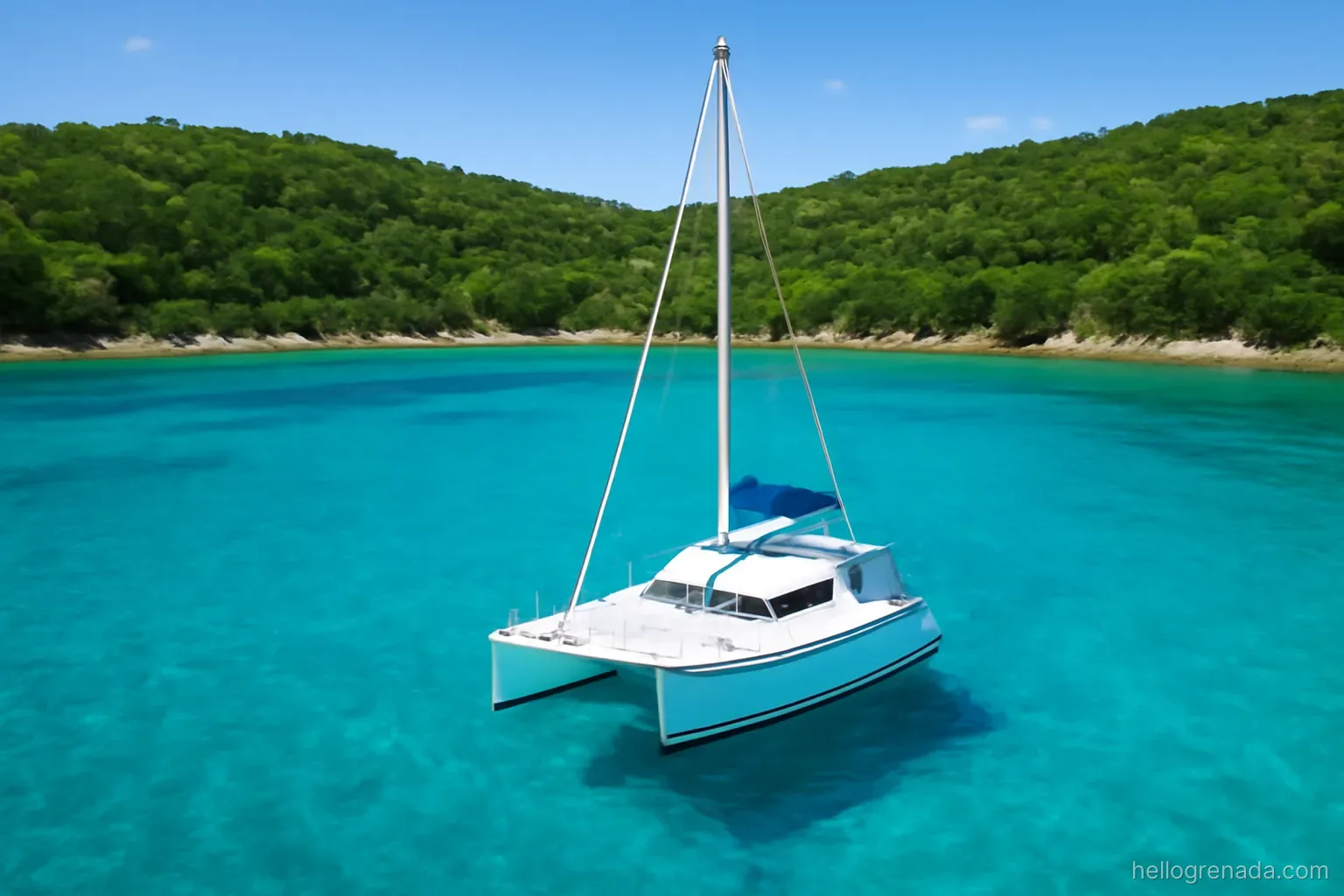
Of everything visitors pay for here, a day on a boat is the one most consistently described afterwards as the best day of the trip. It is also the one where the details of the booking make the biggest difference to whether you enjoy it.
| Typical day | morning departure, back mid-afternoon |
|---|---|
| Usually includes | snorkelling stops, lunch, drinks |
| Deciding factor | the size of the boat and the group |
| Book | ahead, especially in high season |
The shape of the day
Most trips follow a similar pattern: leave in the morning while the water is calm, sail or motor along the coast, stop to snorkel, anchor somewhere for lunch and swimming, and return in the afternoon.
What varies enormously:
- Group size — six people or thirty is a completely different day
- Sail or motor — quieter and slower, or faster and louder
- How much snorkelling versus how much sitting
- Whether lunch is cooked aboard or brought in a box
- Whether it is a party boat or a quiet one
Ask about group size before booking anything else. A small boat with eight people is an entirely different experience from a large one with thirty, and the price difference is usually smaller than the experience difference.
Questions to ask when booking
- How many people maximum
- What is included — lunch, drinks, equipment
- Is snorkelling gear provided, and is it any good
- How long in total, and what time back
- Is there shade aboard
- Is there a toilet
- What happens if the weather turns
Points five and six sound trivial and are not. Six hours in direct tropical sun without shade is genuinely unpleasant, and it is the most common complaint about otherwise good trips.
Point seven is worth settling in advance too — a good operator will reschedule or refund rather than sail in conditions that will make everyone miserable.
What to bring
- Sun protection above all — hat, shirt, reef-safe cream. The reflection off water doubles the exposure
- A dry bag for phone and camera
- A towel and something dry to change into
- More water than the boat provides
- Your own mask if you have one, as covered in the material on snorkelling
- Cash for a tip if the crew are good
- Seasickness tablets if you are prone — taken before, not when you feel it
The last point is the one people get wrong. Seasickness medication works taken an hour beforehand and does very little once you already feel unwell, so the decision has to be made on land.
The private option
Often better value than it sounds, especially for a group of four to six:
- You choose the itinerary and the pace
- You stop where you want and for as long as you want
- No waiting for a large group to reassemble
- The skipper's local knowledge is entirely yours
Split between several people, a small private boat can cost little more per head than a place on a large scheduled trip. Ask at the jetty or through your accommodation rather than assuming it is out of reach.
Being a good passenger
- Be on time — the boat leaves with the tide and the weather, not with you
- Listen to the safety briefing properly
- Stay out of the crew's way when they are working the boat
- Do not touch anything underwater, as always
- Take your rubbish home, including anything that blows away
- Tip the crew if they made the day
On the last: the crew usually do the cooking, the guiding and the safety alongside sailing the boat. A good day on the water is mostly down to them, and it is worth saying so as well as tipping.
Frequently asked questions
What should be asked first when booking?
Group size. Eight people and thirty are completely different days, and the price gap is usually smaller than the experience gap.
What is the most common complaint?
No shade. Six hours in direct tropical sun is genuinely unpleasant, so ask before booking.
When should seasickness tablets be taken?
An hour before departure. They do very little once you already feel unwell, so the decision has to be made on land.
Is a private boat affordable?
Often, split between four to six people it costs little more per head than a place on a large scheduled trip.