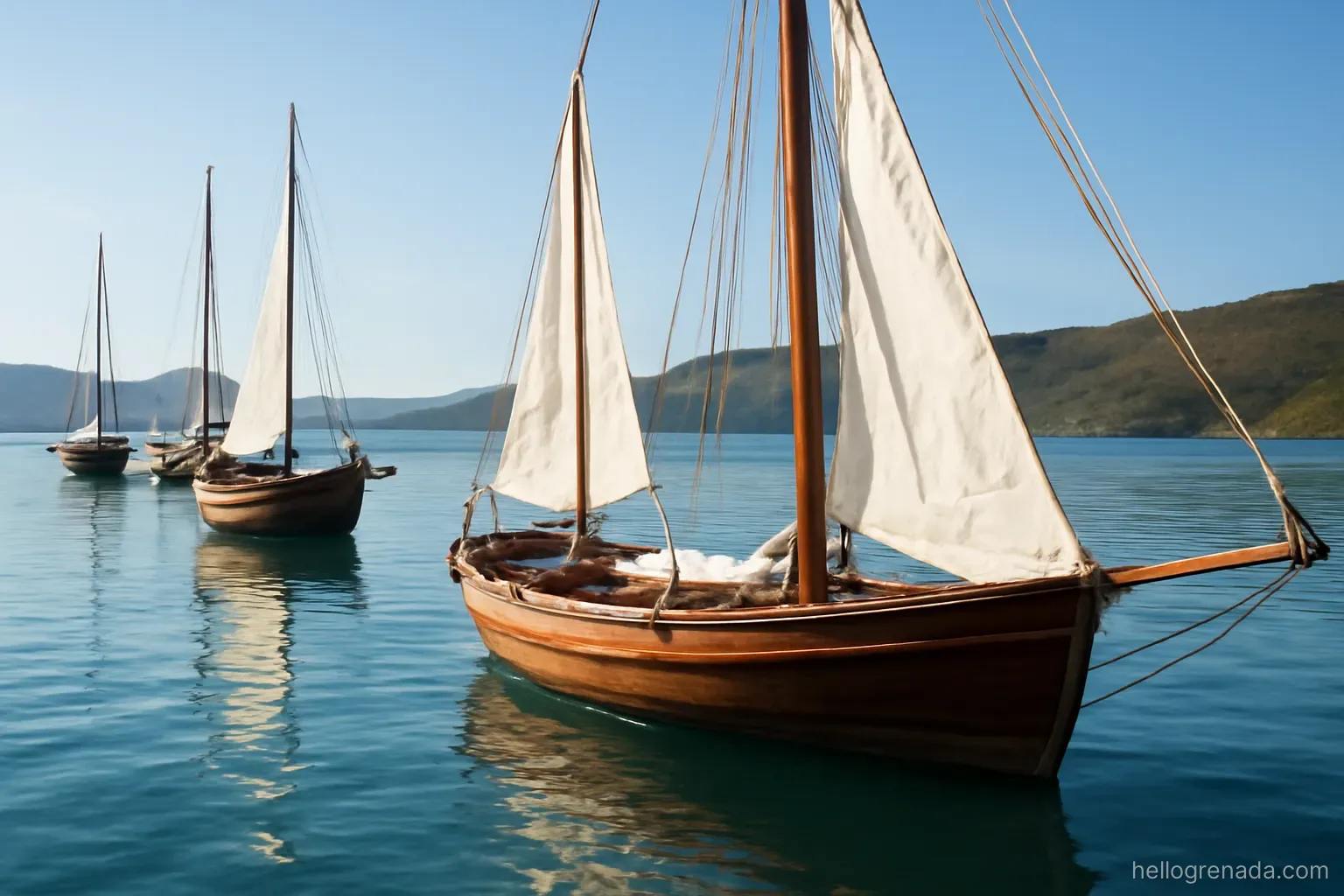
This is a sailing region, and the calendar reflects it. What surprises visitors is that the most atmospheric events are not the yacht regattas but the workboat races — locally built wooden boats, sailed hard by the people who use them for a living.
| Yacht regattas | international fleets, organised, spectator-friendly |
|---|---|
| Workboat races | local wooden boats, fiercely competitive |
| Fishermen's festivals | community events on the water and the shore |
| Best viewing | a headland, or a boat |
Two different things
Yacht regattas bring visiting boats from across the region. They are well organised, there is a shore programme, and the sailing is skilled and impressive. Easy for a visitor to attend and enjoy.
Workboat and sloop racing is a different world. These are boats built on the island, sailed by crews from particular communities, with rivalries that go back generations. The stakes are local pride rather than a trophy, which makes the racing considerably more intense.
If you have a choice, go to the second. It is where the atmosphere is.
Carriacou and its boatbuilding
The sister island has a boatbuilding tradition that is genuinely part of its identity, not a heritage exercise. Boats are still built by hand, on the beach, using methods passed down.
What that means for a visitor:
- The regatta there is the biggest event of its kind locally and worth planning a trip around
- You can often see boats being built outside of event times
- The racing is close and serious
- The shore side — food, music, crowds — is as much the point as the sailing
Watching a wooden boat under sail that was built two hundred metres from where it is racing, by people watching from the beach, is a different experience from watching carbon-fibre yachts, whatever your interest in sailing.
Fishermen's events
Community festivals centred on the fishing communities, typically with:
- Boat races and rowing competitions
- Blessing of the fleet and church involvement
- Cooking and eating on the shore, often the best food you will get all week
- Music and dancing into the evening
- Competitions from fish cleaning to swimming
These are local events rather than tourist attractions, which is exactly why they are worth attending. Ask locally when and where — they are not always well advertised, and the answer usually comes with an invitation.
Watching from the right place
- A headland near a mark gives you boats up close and turning
- The finish area, for the ending and the shore programme
- On the water if a spectator boat is running — the best view by far
- The beach at a workboat race, where the crowd is
Practical notes: the sun on the water is brutal, so hat, sunglasses and long sleeves rather than sunscreen alone. Take water. Racing runs to a schedule that responds to wind, so build in slack.
If you sail
Visitors with experience can often get aboard:
- Crew is frequently wanted at regattas — ask at the bar the evening before, which is genuinely how it works
- Charter boats operate throughout the season
- Learn-to-sail sessions run in the sheltered bays
- The cruising community is welcoming and full of information
If you arrive by boat yourself, the material on customs sets out the clearance procedure — and note that a regatta does not change any of it.
Frequently asked questions
Which is better to watch, a regatta or a workboat race?
The workboat race, for atmosphere — locally built boats, generational rivalries, and local pride rather than a trophy at stake.
What makes Carriacou's boatbuilding notable?
Boats are still built by hand on the beach using inherited methods, and then raced by the people who built and use them.
How do you find fishermen's festivals?
Ask locally — they are community events rather than tourist attractions and are not always advertised, but the answer usually comes with an invitation.
Can a visiting sailor get aboard?
Often yes. Crew is frequently wanted at regattas, and asking at the bar the evening before is genuinely how it works.